


Clinical Certainty
Before Unnecessary Hormones
Every year, millions of women consume high-dose emergency hormonal pills following intimate doubt or barrier slip, without knowing if semen was ever deposited. SemSure replaces guesswork with laboratory clarity.


SemSure Diagnostic Kit
Rapid lateral flow immuno-chromatographic assay
Results in 10–15 Minutes
Fast, equipment-free testing at home right when clarity matters most.
99% Sensitivity & 100% Specificity
Dual-biomarker multiplex detection targeting Semenogellin and PAP.
Zero Hormonal Interference
Eliminates anxiety-driven overuse of emergency hormonal contraceptive pills.
Backed by IIT Guwahati BioNEST
Clinically validated across premier research hospitals and gynecologists.
Did you know? Standard pregnancy tests detect hCG only 10–14 days after conception. SemSure detects seminal biomarkers instantly within 10–15 minutes up to 72 hours post-intercourse.
Establishing the Problem: Misuse of Morning-After Pills & Unsafe Abortion in India
A comprehensive, data-driven synthesis examining contraceptive access barriers, the behavioural drivers of emergency pill overreliance, and the imperative for timely point-of-care verification.
Executive Problem Statement
India faces a significant reproductive healthcare challenge: unintended pregnancies remain widespread, while social stigma, limited access to routine contraception, and uncertainty about pregnancy risk can push women toward repeated reliance on emergency contraceptive pills and, in some circumstances, unsafe abortion practices.
The underlying problem is not simply a lack of awareness. Evidence from young Indian women's reproductive health conversations suggests that many women understand contraception but struggle to access methods that are private, convenient, affordable, and socially acceptable.
As a result, emergency contraception can become a substitute for planned, ongoing pregnancy prevention. When pregnancy remains uncertain, women may experience substantial anxiety, delay seeking appropriate medical advice, or face barriers to timely abortion care.
Contraceptive Access Gap
Women seeking reliable, routine contraception regularly encounter privacy concerns, provider bias, partner resistance, and systemic social stigma.
Overreliance on Morning-After Pills
Emergency contraceptive pills are repeatedly used as a practical fallback rather than an occasional, planned contingency protocol.
Unsafe Abortion Risk
Unintended pregnancies combined with clinical and cultural barriers increase exposure to unregulated abortion methods and delayed treatment.
The Scale of the Problem: What the Research Shows
Unintended Pregnancies
Of all pregnancies in India (2015, The Lancet study)
Induced Abortions
Estimated nationally by The Lancet Global Health (2015)
Classified as Unsafe
Abortions in India (2007–2011, cited in 2022 UNFPA report)
Unsafe Abortion Deaths
National mortality burden reported by UNFPA (2022)
Understanding the Abortion Care Gap (The Lancet 2015 Breakdown)
The Lancet study estimated that of the 15.6 million induced abortions in India in 2015:
This distinction matters: The large proportion of abortions occurring outside health facilities demonstrates a vital need for accurate diagnostics, clinical guidance, quality-assured medication, and follow-up care rather than assuming all 73% were inherently unsafe.
Evidence of Reliance on Morning-After Pills
Insights from the 2026 "We Did Everything Right! Young Women and Their Birth Control Realities" report (5,200+ conversations analyzed)
Pregnancy Anxiety
Fear of unintended pregnancy was present in 72% of conversations, even when emergency pills or other protection had already been used.
Demand for Routine Methods
Women actively sought information regarding oral contraceptives, IUDs, and long-term protection, but described severe access barriers.
Need Beyond Major Metros
Inquiries originated across more than 500 locations, establishing that contraceptive anxiety is a nationwide phenomenon.
Why This Matters Clinically
Emergency contraceptive pills are safe for repeated use when needed and do not cause permanent infertility. However, they are significantly less effective as an ongoing strategy than planned methods and cause temporary menstrual irregularity that inflates pregnancy panic.
The real issue is therefore not that emergency pills cause severe physical injury, but rather the systemic overreliance on them due to the total absence of accessible, confidential routine verification tools.
Primary Market Research: Evidence from Indian Clinicians
Conducted with 60 clinicians across 10 Indian cities (Delhi, Mumbai, Kolkata, Bengaluru, Chennai, Hyderabad, etc.)
| Research Metric | 2024 Estimates | 2029 Projections | Strategic Implication |
|---|---|---|---|
| Estimated Unintended Pregnancies | 17.0 Million | 16.4 Million | Persistently elevated volume requiring point-of-care screening. |
| Estimated Induced Abortions | 10.2 Million | 9.8 Million | Signifies widespread post-conception crisis management. |
Source: Impeerical Consulting Market Potential Mapping (Feb 2025). Clinician-informed market projections highlighting barriers including partner resistance, social stigma, and restricted access for unmarried women.
Connecting the Evidence: How the Problem Develops
Conceptual pathway synthesized from clinical literature and market findings
Limited Routine Access
Stigma, privacy concerns, partner resistance, and clinical gatekeeping.
Morning-After Pill Fallback
Discreet and accessible at chemists, but not an ideal ongoing strategy.
Pregnancy Risk Uncertainty
Crippling anxiety, menstrual shifts, and doubts over whether exposure occurred.
Unintended Pregnancy Risk
No pill is 100% effective when taken too late or without verified exposure.
Delayed or Unsafe Care
When confidential, timely clinical abortion options are inaccessible.
The Fundamental Unmet Need: Accessible, Confidential, Evidence-Based Reproductive Diagnostics
"The fundamental unmet need is for accessible, confidential, evidence-based reproductive healthcare that helps women prevent unintended pregnancies, understand pregnancy risk, and obtain timely, safe medical care."
This represents an urgent market opportunity to strengthen preventive reproductive healthcare while eliminating uncertainty, improving informed decision-making, and mitigating the structural drivers of unintended pregnancy and unsafe abortion across India.
Sources and Evidence Strength
| Source | Scope & Best Use |
|---|---|
| Indian Express / UNFPA (2022) ↗ | Historical unsafe abortion burden and maternal health consequences in India. |
| The Lancet Global Health (Singh et al., 2018) ↗ | National epidemiological estimates of unintended pregnancies and 15.6M induced abortions in 2015. |
| Pinky Promise (2026 Report) | Behavioral evidence across 5,200+ young women: pregnancy anxiety (72%), recurring EC queries, and access barriers. |
| Impeerical Consulting (Feb 2025) | Clinical and commercial perspective from 60 clinicians across 10 major Indian metropolitan areas. |

Novel
Technology
Our Dual-Biomarker Multiplex Assay enables reliable semen detection, even in challenging cases like Oligospermia. It features a Novel Universal Buffer for rapid biomarker extraction within just 1–2 minutes, all integrated into a Proprietary Cassette Design that ensures ease of use and high accuracy.
Biomarkers
The test detects two key biomarkers: Semenogellin and Prostate Acid Phosphatase.
Biological Samples
The test uses a vaginal swab as the biological sample, with semen detection possible for up to 3 days after exposure.
Universal Buffer Innovation
The Universal Buffer efficiently extracts biomarkers from the sample while also providing the required fluidity for accurate testing.
Affordable
Priced at just ₹90, making it highly accessible.
Sensitive
Delivers 99% accuracy in detecting semen.
Specific
Offers 100% reliability with minimal false results.
User-Friendly
A simple one-step assay for easy at-home use.
Rapid & Robust
Provides results within 10–15 minutes.
Equipment-Free
Requires no lab setup or instruments.
Deliverable
Designed for end-user convenience and portability.

How to UseSemSure
Follow our quick video tutorial and 4 simple steps to get clinical-grade certainty at home in 10–15 minutes.


Swab Sample
Gently collect the sample using the sterile collection swab.
Tap for full text ↓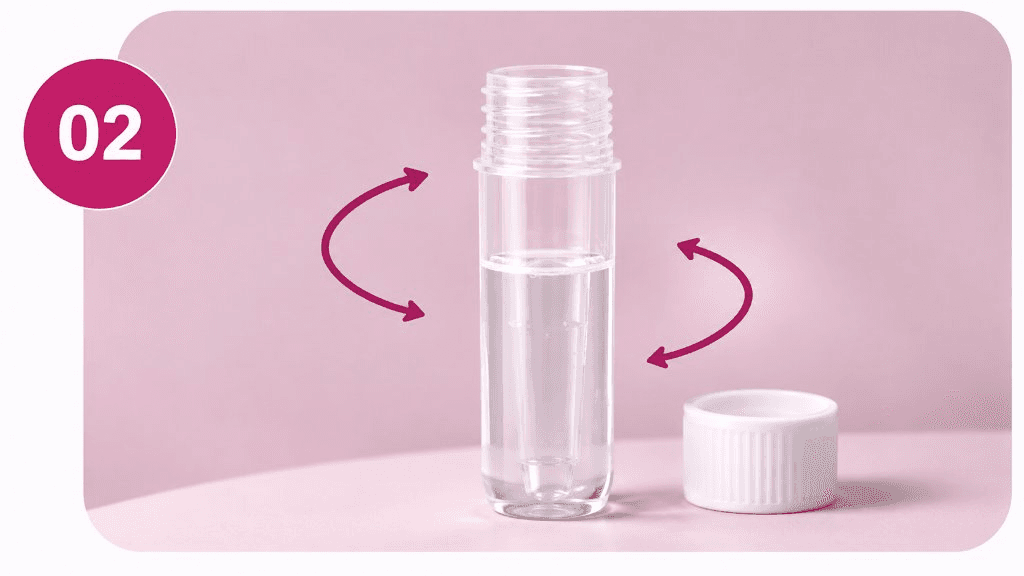
Swirl in Buffer
Swirl the swab in the universal buffer vial for 1–2 minutes to extract seminal biomarkers.
Tap for full text ↓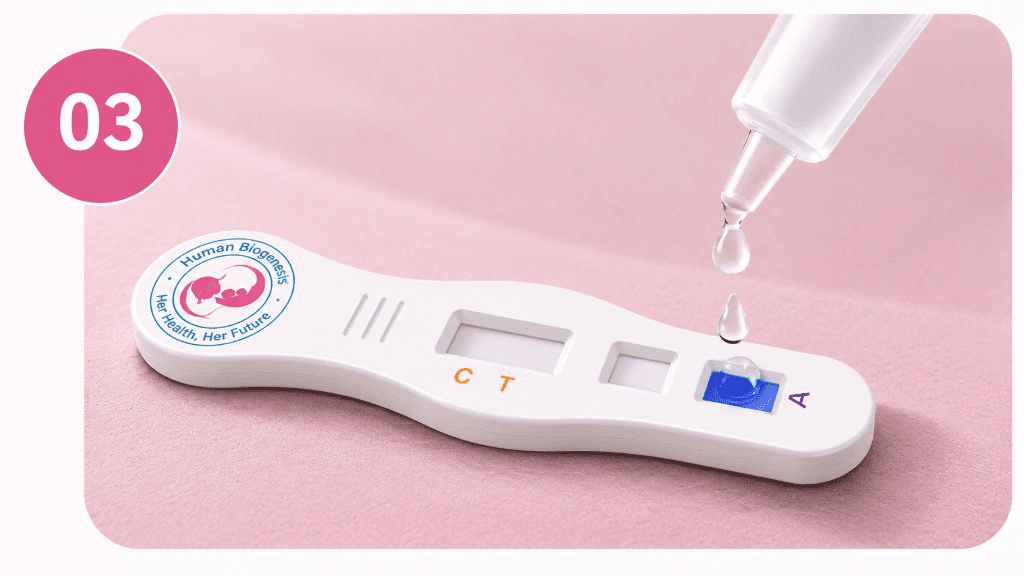
Add 2–3 Drops
Dispense 2 to 3 drops of the extracted buffer solution into the cassette sample well (S).
Tap for full text ↓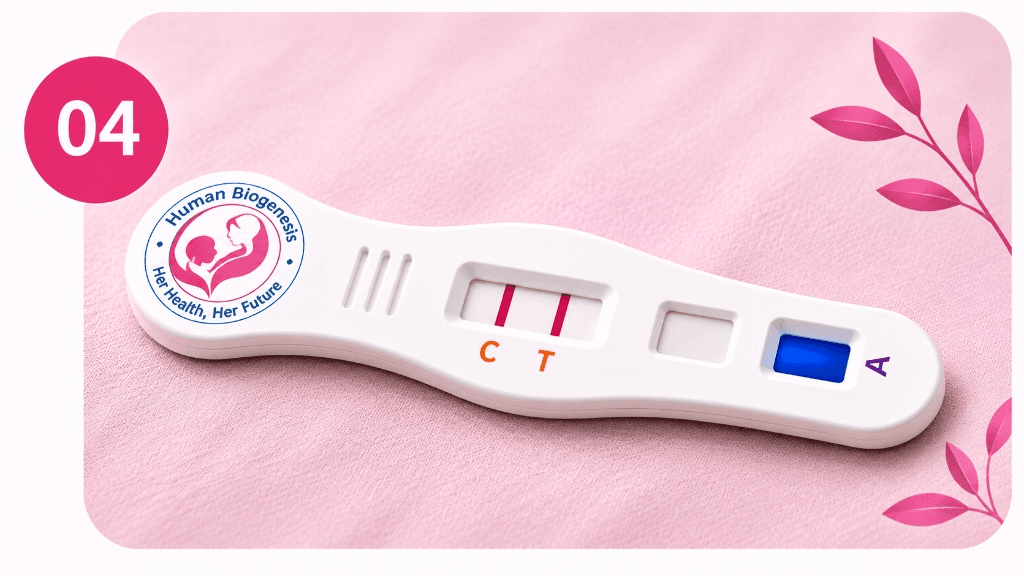
Read in 10–15 Min
Read visual line results within 10 to 15 minutes to confirm presence with clinical certainty.
Tap for full text ↓Clear, Unambiguous Interpretation
Read results between 10 and 15 minutes. Do not interpret after 20 minutes.
Positive Result
2 Red Lines (Control & Test)
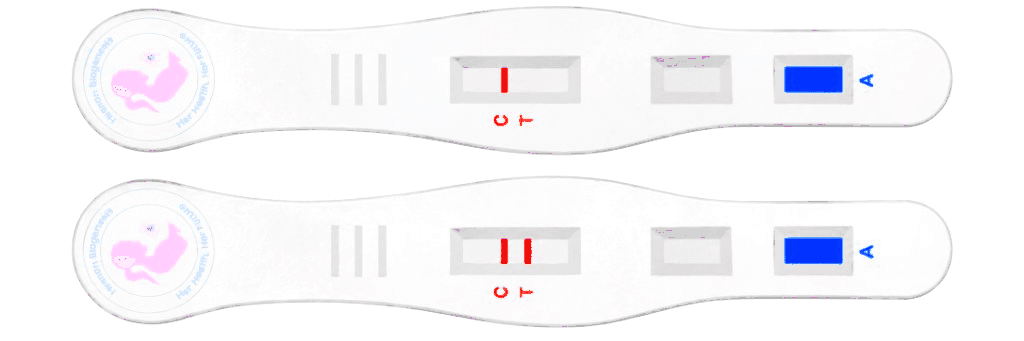
Both the Control (C) and Test (T) lines appear clearly. Indicates seminal biomarkers were detected. Immediate guidance and medical consultation are recommended.
Negative Result
1 Red Line (Control Line Only)

Only the Control (C) line appears; the Test (T) line is absent. Seminal biomarkers are absent. Eliminates the need for emergency hormonal pills.
Invalid Result
No Control Line Detected
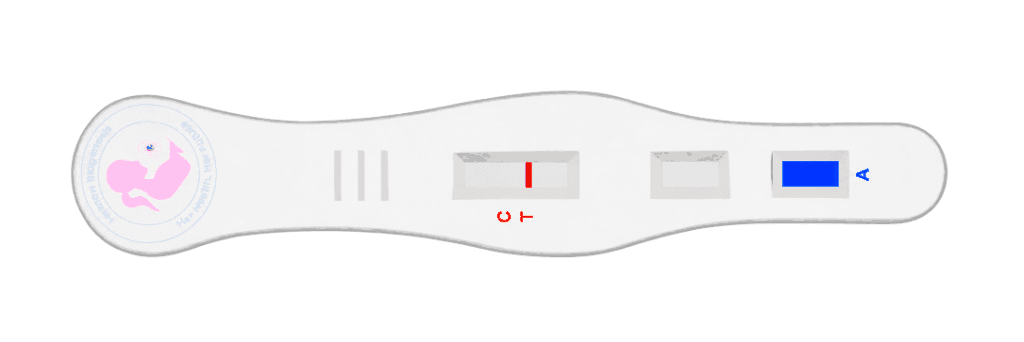
If the Control line fails to appear, the test is invalid even if a Test line is visible. Repeat the test with a fresh device and buffer.
Patented & Officially Registered Design
SemSure™ represents proprietary innovation granted by the Patent Office, Government of India.
Patent No. 573973

The Patent Office, Government of India
Title: A novel point-of-care diagnostic kit for detection of semen samples in general sexual wellness and forensic examinations
Design No. 387848-001

Certificate of Registration of Design
Application of proprietary industrial design to SEMEN DETECTION KIT
SemSure™ & Wellness FAQs: Find Your Answers
Explore frequently asked questions about SemSure™ rapid detection, testing window, clinical accuracy, and emergency contraception guidance.